

 المعلومات
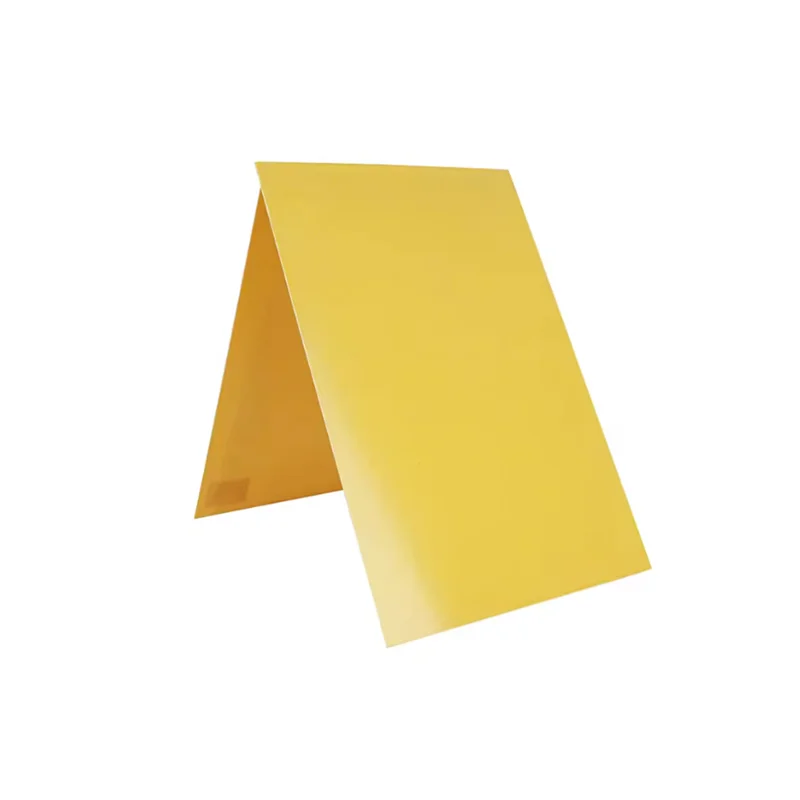
The 3240 fiber glass laminate, a widely used industrial insulation material, is known for its excellent mechanical and electrical properties. It is classified as a thermosetting laminate composed of woven glass fabric impregnated with an epoxy phenolic resin. The 3240 standard is defined by GB/T 1303.1-2009 and similar international standards, representing materials with outstanding thermal endurance, dimensional stability, flame retardancy, and chemical resistance.
In this blog post, as a high performance epoxy glass laminate sheet factory, Blue Sun will share the 3240 fiberglass laminate manufacturing process. It involves a series of precisely controlled steps, from raw material selection to impregnation, drying, lamination, hot pressing and finishing. Each stage is crucial to achieving the desired electrical insulation class (typically Class B: 130°C) and mechanical properties. Below is a comprehensive explanation of each step in the process.
1. Raw Material Selection of 3240 Fiber Glass Laminate
a. Glass Fiber Cloth
The base reinforcement material for 3240 laminate is a high-strength woven glass fiber cloth. The most commonly used types are E-glass fibers due to their excellent dielectric properties and mechanical strength. The fabric is woven in various grammages (typically between 120 g/m² to 762 g/m²) depending on the thickness and strength requirements of the final laminate.
Key specifications of the glass cloth include:
- Weave type: Plain weave or twill weave
- Thickness: 0.1 mm to 0.3 mm
- Tensile strength: ≥ 450 N/cm
- Moisture content: < 0.1%
b. Resin System
The resin matrix typically consists of an epoxy-phenolic hybrid, combining the high adhesive strength and chemical resistance of phenolic resins with the superior electrical properties and mechanical performance of epoxy resins. The phenolic resin contributes to flame resistance and thermal stability, while the epoxy improves toughness and bonding to the glass substrate.
Formulation additives may include:
- Curing agents (e.g., dicyandiamide or phenol formaldehyde hardeners)
- Accelerators (imidazoles or tertiary amines)
- Fillers and pigments (inorganic fillers like silica or alumina)
- Flame retardants (phosphorus-based or halogen-free systems)
2. Resin Impregnation of 3240 Fiber Glass Laminate
The impregnation stage involves saturating the glass fabric with a liquid resin formulation. This is typically done through a horizontal or vertical impregnation line. The steps include:
- Resin Mixing: The base resin, curing agents, and other additives are thoroughly mixed in high-shear mixers to ensure homogeneity.
- Impregnation Bath: The glass cloth is passed through a bath containing the resin mixture. Uniform resin uptake is ensured by adjusting the bath viscosity (typically 150–300 cps at room temperature) and bath temperature (35–50°C).
- Excess Removal: Excess resin is removed by passing the wet-out fabric through nip rollers or doctor blades to control the resin content (usually 30–45% by weight).
The goal of this step is to fully wet out the fabric without creating resin-rich areas or dry spots, which can compromise laminate performance.
3. Drying and B-Staging of 3240 Fiber Glass Laminate
After impregnation, the resin-impregnated fabric (commonly known as prepreg) is passed through a drying oven to partially cure the resin to a B-stage — a tack-free but still fusible state.
- Drying Oven Conditions: Typically 100–150°C for 3–10 minutes
- Volatile Removal: The process drives off solvents and partially polymerizes the resin, forming long molecular chains while maintaining thermoformability.
- Control Parameters: Critical parameters include web tension, oven zone temperature, air velocity, and residence time.
After drying, the prepreg is cut into sheets of desired sizes and stored under refrigerated or dry conditions to prevent premature curing before pressing.
4. Lay-Up and Assembly of 3240 Fiber Glass Laminate
To achieve the required final thickness, multiple layers of B-staged prepreg are stacked in a mold. The orientation and number of layers depend on the product's design specifications.
- Layering: The prepreg sheets are layered manually or via an automated lay-up station. Alignment is critical to avoid warping or misalignment during pressing.
- Pre-Pressing (Optional): Some manufacturers use a cold pre-press or vacuum bag to compact the stack and remove entrapped air before hot pressing.
5. Hot Press Molding (Thermosetting Cure) of 3240 Fiber Glass Laminate
The stacked prepreg sheets are transferred into a heated press for final curing under heat and pressure.
a. Pressing Parameters
- Temperature: 150–180°C
- Pressure: 3–5 MPa (depending on thickness and fabric density)
- Time: 30 minutes to 2 hours (based on thickness, typically 2 min/mm)
- Mold Type: Chrome-plated steel plates for a smooth finish; PTFE-coated molds for release
During this stage, the resin fully cures into a rigid, thermoset polymer. The pressure ensures fiber consolidation, void elimination, and surface smoothness. Any volatiles generated during curing must be vented through the mold system.
b. Cooling Under Pressure
After the cure cycle, the laminate is cooled to below 60°C while still under pressure to avoid warpage and internal stress. This step is critical for dimensional stability and mechanical integrity.
6. Trimming and Surface Finishing of 3240 Fiber Glass Laminate
After demolding, the cured laminate is trimmed and machined to the desired dimensions using CNC routers or saws. The surface may also be treated depending on end-use applications.
- Trimming Tolerance: ±0.2 mm for standard sheets
- Surface Roughness: Typically Ra < 1.6 µm
- Optional Treatments: Sanding, grinding, or coating with anti-static or UV-resistant finishes
7. Quality Control and Testing of 3240 Fiber Glass Laminate
Quality assurance is conducted at multiple stages, with final inspection performed on the finished laminate.
a. Mechanical Tests
- Tensile strength (GB/T 1040): ≥ 340 MPa
- Flexural strength (GB/T 9341): ≥ 300 MPa
- Impact resistance: Charpy or Izod tests
b. Electrical Tests
- Dielectric strength (GB/T 1408): ≥ 12 kV/mm
- Insulation resistance (GB/T 1410): ≥ 10^9 Ω
- Volume resistivity: ≥ 10^12 Ω·cm
c. Thermal and Flame Tests
- Thermal index (UL 746B): Class B or higher
- Flammability (UL 94): V-0 or V-1 rating
Any deviation from standard specifications leads to rejection or reprocessing, ensuring the laminate's consistency and performance.
8. Packaging and Storage of 3240 Fiber Glass Laminate
Finished 3240 laminates are packaged in moisture-proof wrapping and stored under controlled humidity and temperature conditions.
- Packaging: Shrink-wrapped in PE film, cushioned with foam, packed in wooden crates or reinforced cardboard boxes
- Storage Conditions: ≤ 25°C, RH < 50%, away from direct sunlight
- Shelf Life: Typically 12–24 months depending on storage environment
Conclusion
The manufacturing of 3240 fiberglass laminate is a sophisticated, multi-step process that blends material science, process engineering, and quality control. The synergy between high-grade raw materials, precise impregnation, controlled thermal curing, and rigorous inspection ensures a product that meets the demanding mechanical and electrical performance criteria required in industries such as electrical insulation, aerospace, automotive, and heavy machinery. As technology evolves, advancements in resin chemistry and automated processing continue to push the capabilities of 3240 laminates even further, solidifying their role as a foundational material in modern engineering applications.